


Data collected in public aquariums
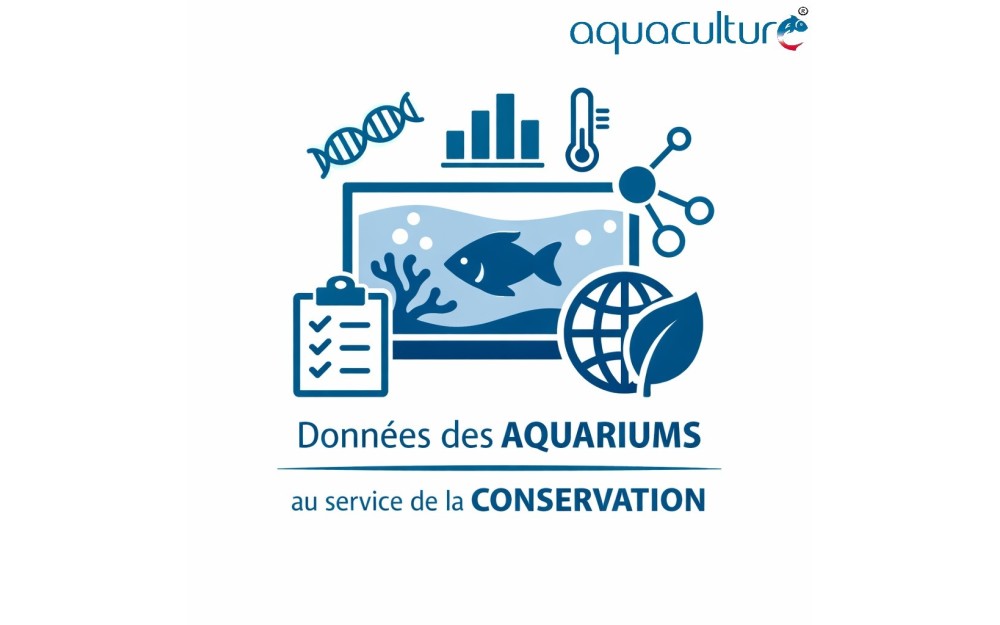
Public aquariums are no longer mere exhibition spaces. They have become scientific infrastructures capable of producing essential data for the conservation of aquatic species and for understanding how ecosystems function.
-
Biological data collected on species (growth, reproduction, behavior, longevity, genetic diversity) improve fundamental knowledge of taxa that are sometimes poorly studied in the wild. These data are particularly critical for threatened species.
-
Health and physiological data derived from veterinary monitoring provide key insights into health status, stress, pathogen resistance, and responses to treatments. They play an increasing role in anticipating health risks linked to global environmental change.
-
Aquariums also generate high-resolution environmental data through precise control of the physico-chemical parameters of water. These data help identify ecological tolerance thresholds of species, which is crucial in the context of climate warming and ocean acidification.
At the system level, ecological and functional data produced by public aquariums contribute to understanding interspecific interactions, species’ functional roles, and micro-ecosystem dynamics. These approaches serve as simplified models of natural ecosystems.
Aquariums also play a central role in ex situ conservation, by collecting data on reproductive success, breeding protocols, genetic management of captive populations, and reintroduction strategies. This information feeds into international conservation programs.
Educational and societal data (visitor numbers, message comprehension, changes in perceptions) make it possible to assess the real impact of aquariums on public awareness and engagement with biodiversity issues.
In the future, aquariums will have to address several major challenges: the integration of big data, the use of connected sensors, automated behavioral analysis using artificial intelligence, and interoperability of databases between institutions. The standardization of data collection protocols and data sharing with researchers and ecosystem managers will be decisive.
In a context of rapid degradation of aquatic environments, public aquariums are set to become true predictive observatories of living systems, serving conservation, adaptive ecosystem management, and public decision-making.