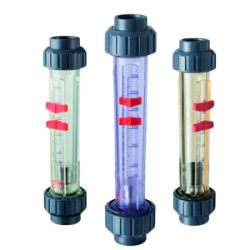
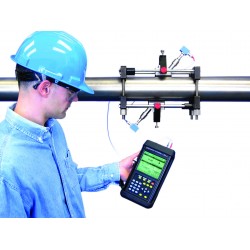
An aquaculture flow meter is a critical device for measuring and regulating water flow in recirculating systems (RAS), tanks, and pipelines. Accurate flow control ensures efficient oxygenation, nutrient distribution, and waste removal—key to maintaining healthy aquatic environments.
Poor water circulation can cause stress, oxygen depletion, or biofilter inefficiency. A flow meter enables real-time monitoring and flow optimization, enhancing system performance and protecting aquatic life.
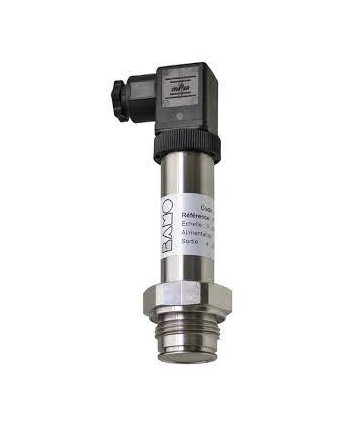
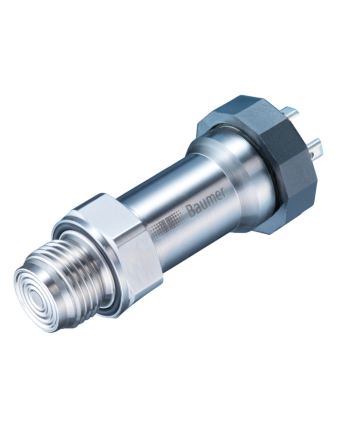
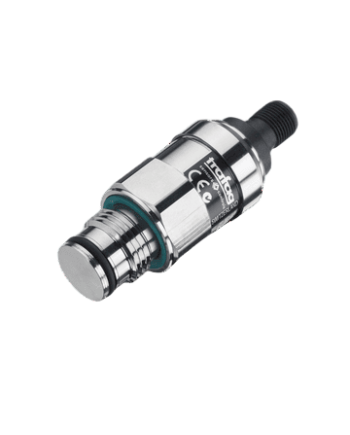
An aquaculture pressure gauge is designed to monitor water pressure in filtration units, pipelines, and recirculating aquaculture systems (RAS). Stable pressure is vital for efficient pump operation, proper filtration, and the overall safety of the system.
Fluctuations in pressure may signal clogged filters, pipe blockages, or mechanical issues. With a precise gauge, fish farmers can detect problems early, adjust pressure accordingly, and ensure a stable aquatic environment for optimal fish health and system longevity.
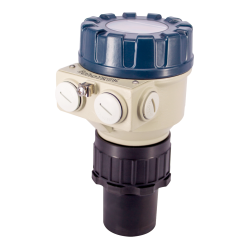
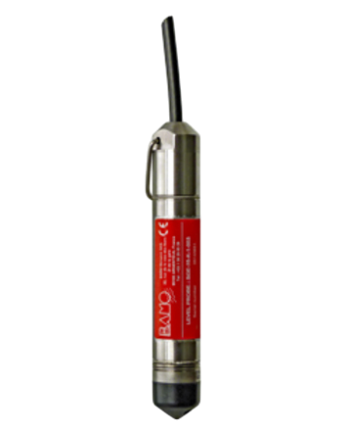
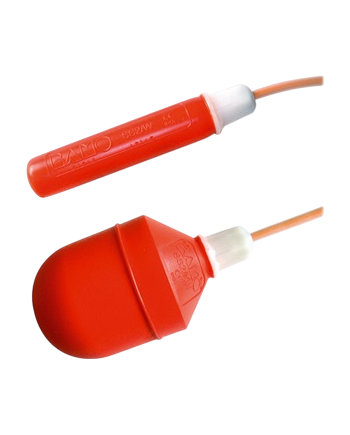
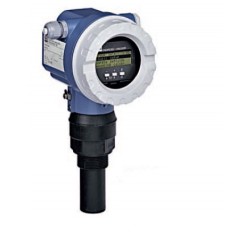
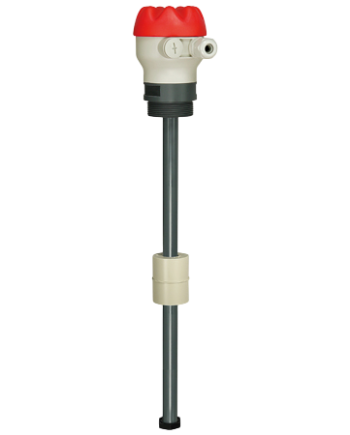
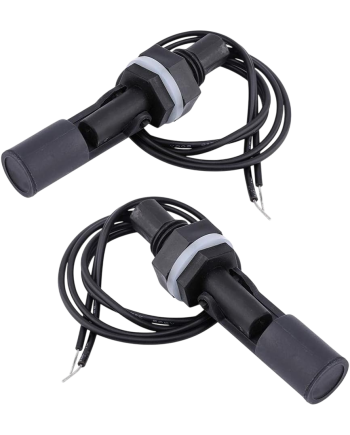
Monitoring water levels is essential to ensure fish welfare and the proper operation of aquaculture facilities. Water level measuring devices make it easy to track variations in ponds, tanks, or reservoirs.
Available in simple models (graduated staffs, manual probes) or more advanced models (mechanical floats, direct-reading gauges, ultrasonic sensors, laser sensors, pressure-based sensors), they provide a reliable, practical, and non-electronic solution to ensure optimal water management in your aquaculture systems.
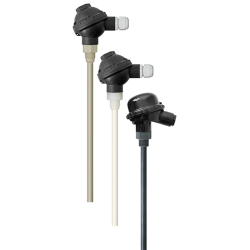
An aquaculture temperature measurement system is designed to continuously monitor the thermal conditions of ponds, tanks, or reservoirs to ensure the health and optimal growth of fish and other aquatic organisms.
Typical Components
Temperature Probe
Type: PT100 or thermocouple
Accuracy: Class A or B
Materials: PVC, PP, PVDF for resistance to aquatic environments and chemicals
Options: Plunger of various lengths, 3- or 6-wire connection
Transmitter / Recorder
Converts the probe signal into standard output (4-20 mA, 0-10 V)
May include data logging and alarms
Communication possible via Modbus, Bluetooth, or Wi-Fi for remote monitoring
Protective Housing
Waterproof and corrosion-resistant
Durable for outdoor or wet environment installation
Supervision Software
Real-time temperature visualization
Data history and analysis
Automatic alerts if critical thresholds are exceeded
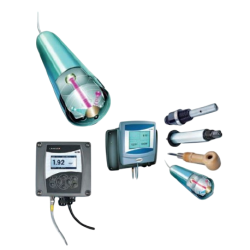
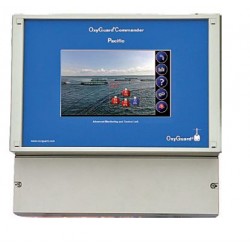
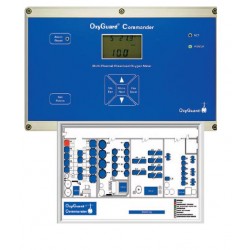
The OxyGuard range provides cutting-edge tools for real-time monitoring of water parameters in aquaculture systems. From oxygen and temperature to pH, salinity, and redox levels, OxyGuard sensors and control systems are widely used in RAS facilities, hatcheries, and pond farms.
These high-performance devices help aquaculture operators reduce fish stress and mortality, ensure consistent water quality, and optimize overall system efficiency. With robust build quality and intuitive interfaces, OxyGuard is a global standard in smart aquaculture monitoring.
The aquaBUS range delivers modular and intelligent water monitoring solutions for aquaculture, enabling real-time control of dissolved oxygen, pH, temperature, salinity, redox potential, and more. Using a digital communication bus, aquaBUS devices can be easily linked together and centralized for streamlined control.
Designed for RAS installations, hatcheries, and grow-out ponds, aquaBUS systems offer accurate measurements, fast response to changes, and easy integration into automation platforms—making them ideal for modern, data-driven aquaculture.
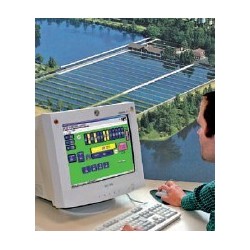
The Hach Lange supervision system is an advanced solution for continuous water quality monitoring, specifically designed for intensive and recirculating aquaculture systems (RAS). It enables real-time control of key parameters affecting fish health and growth, ensuring proactive and secure management of the aquatic environment.
Key Features:
Continuous measurements: Dissolved oxygen (DO), pH, temperature, ammonium (NH₄⁺), nitrites (NO₂⁻), turbidity, conductivity, redox (ORP), and more.
Hach Lange digital sensor technology: High accuracy, low maintenance, self-calibrating with integrated diagnostics.
Integration with PLC or SCADA systems: Data transmission via Modbus, Profibus, or Ethernet/IP.
Automatic alerts and data logging: Threshold management, event recording, and full traceability.
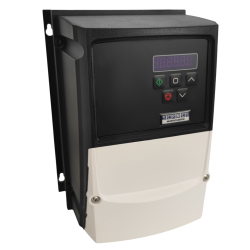
A speed controller (or frequency converter) is an electronic device that allows regulating the rotational speed of an electric motor, typically an asynchronous motor driving pumps, aerators, or water circulation systems.
Main applications
Aquaculture:
Adjusting pump flow rates to maintain optimal water renewal in ponds, tanks, or recirculating aquaculture systems (RAS).
Regulating aerators or oxygenation systems to keep dissolved oxygen levels stable.
Reducing energy consumption by adapting power to actual needs.
Aquariology:
Precise control of filtration and circulation pumps to maintain stable conditions for fish and invertebrates.
Varying pump speed at different times of the day or according to biological requirements.
Nous utilisons des cookies tiers pour améliorer votre expérience de navigation, analyser le trafic du site et personnaliser le contenu et les publicités. En savoir plus