

Why RAS (Recirculating Aquaculture Systems) Are Becoming Essential in Aquaculture
Why RAS (Recirculating Aquaculture Systems) Are Becoming Essential in Aquaculture
Faced with the continuous growth of global demand for aquatic products, aquaculture is confronted with a dual challenge: producing more while reducing its environmental footprint. In this context, recirculating aquaculture systems—better known by the acronym RAS (Recirculating Aquaculture System)—are emerging as a major technological breakthrough. Long regarded as complex and costly, RAS technologies have now reached a level of technical maturity that makes them attractive, and even unavoidable.
What Is a RAS System?
A RAS is based on a simple principle: reusing culture water after treatment rather than continuously renewing it. The water circulates in a closed loop through various treatment modules:
-
Mechanical filtration (removal of suspended solids)
-
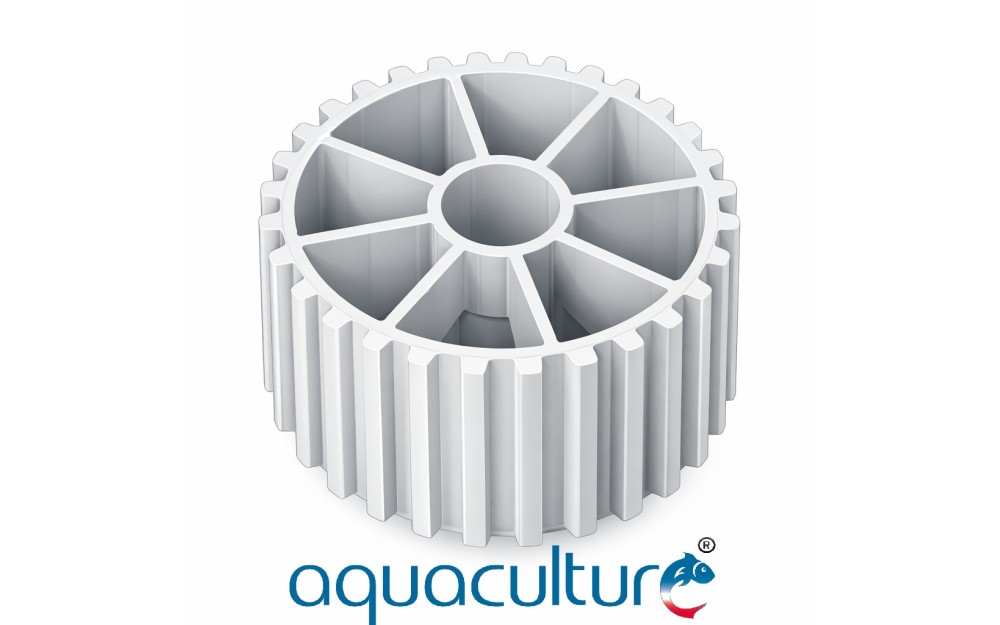
Biofiltration (nitrification of ammonia into nitrate)
-
Disinfection (UV, ozone)
-
Degassing (CO₂, nitrogen)
-
Oxygenation
-
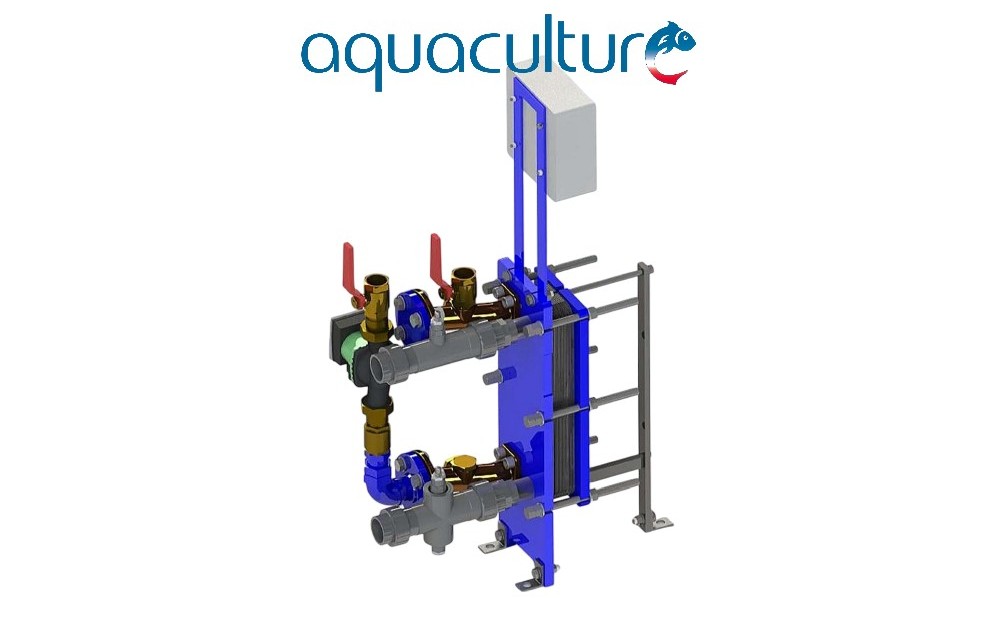
Temperature control
-
Water pumping and distribution
Depending on system design and the operator’s objectives, recirculation rates can reach 90%, or even 99%.
A Direct Response to Environmental Constraints
A drastic reduction in water withdrawals
Pressure on freshwater resources is becoming a critical issue, even in regions historically favorable to aquaculture. RAS technology decouples fish production from local water availability, paving the way for installations outside traditional aquaculture areas.
Toward better control of effluents
In conventional systems, nitrogen and phosphorus discharges are directly released into the natural environment. In RAS, these flows are concentrated, measurable, and above all, recoverable.
This level of control facilitates regulatory compliance and significantly reduces impacts on receiving ecosystems.
Enhanced Health and Zootechnical Control
RAS allows full control of all farming parameters: temperature, dissolved oxygen, pH, ammonia, nitrites, and suspended solids. This stability results in improved growth performance, better feed conversion ratios, reduced chronic stress, and improved risk insurability by insurance companies.
From a health perspective, isolation from the external environment limits the introduction of pathogens, reducing the need for therapeutic treatments and improving overall biosecurity.
When Intensification Goes Hand in Hand with Sustainability
Contrary to some common misconceptions, intensification and sustainability are not incompatible. Recirculating Aquaculture Systems (RAS) now make it possible to achieve high production densities while maintaining precise control over water quality.
This controlled intensification offers several advantages: optimised land use, reduced water exchange, bringing production sites closer to consumer markets, and reduced transportation requirements. It also allows better control of the key parameters required for successful fish farming: oxygen, temperature, suspended solids, ammonium, nitrite, nitrate, CO₂ and organic load.
From the Dekel System to Modern RAS
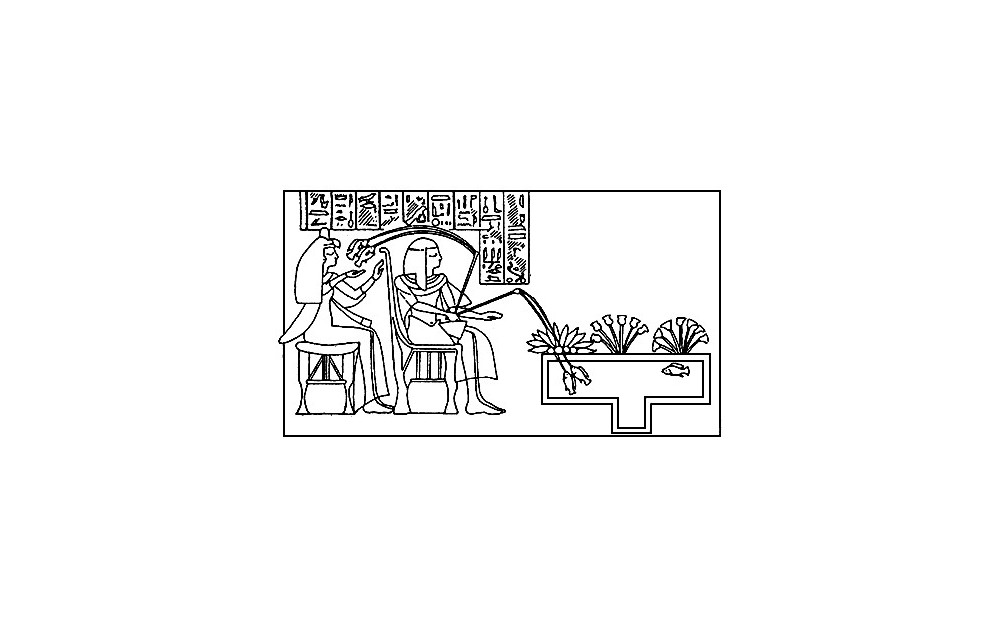
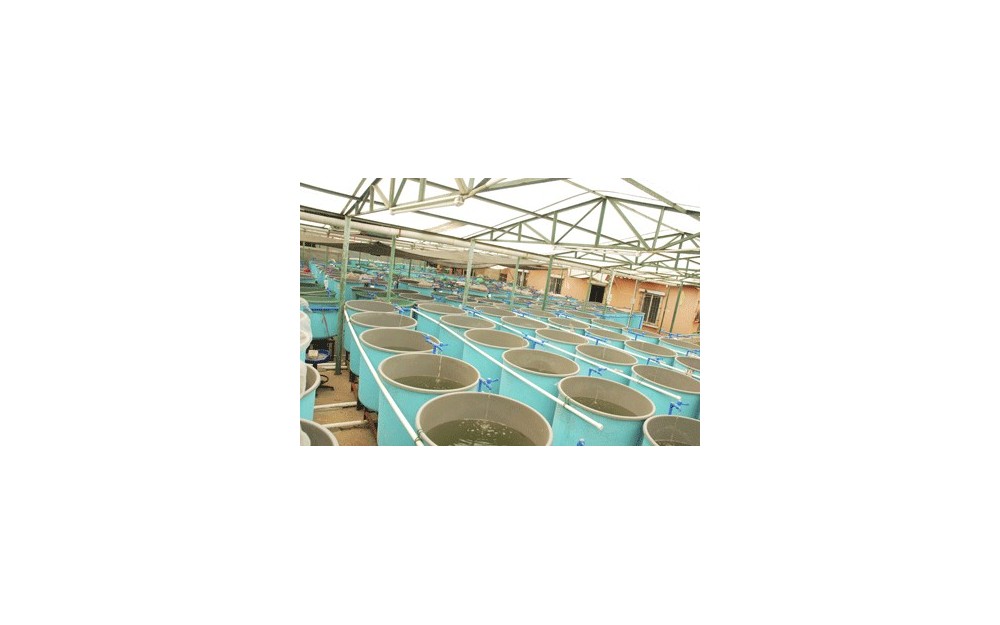
The history of recirculating aquaculture obviously did not begin with today's industrial RAS. In the 1990s, the Dekel system, particularly developed in Israel for intensive production of hardy fish species such as tilapia, represented an early approach to water recirculation in aquaculture.
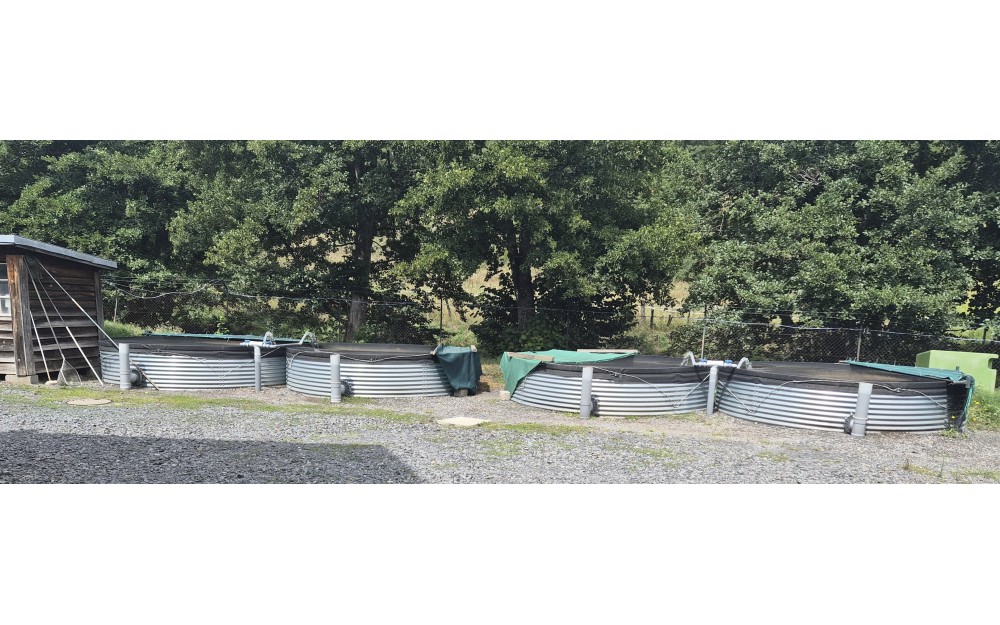
Its principle was based on combining intensive fish farming tanks with a large-capacity reservoir, providing storage, dilution and biological treatment functions. Water was recirculated between the different compartments in order to reduce water exchange and maintain conditions suitable for intensive fish production.
In this respect, the Dekel system can be considered an intermediate stage between traditional pond-based farming systems and modern RAS.
However, recirculation technologies have evolved considerably since that period. Modern RAS no longer rely primarily on the volume of a reservoir and the natural biological treatment capacity of the water. They now combine mechanical and biological filtration, degassing, oxygenation, UV disinfection, ozonation, temperature control, high-efficiency pumping and instrumentation, all managed through increasingly sophisticated automation and control systems.
The evolution is therefore significant: the objective is no longer simply to recirculate water, but to actively and continuously control all the key parameters of the system.
Towards More Compact and Better-Controlled Systems
One of the main advantages of modern RAS is their ability to maintain consistent water quality with much lower water volumes and optimised treatment areas.
This approach makes it possible to design facilities adapted to significant land constraints and to urban or peri-urban locations, as well as projects requiring high levels of biosecurity or very precise control of farming conditions.
The Dekel system retains historical interest and may still inspire certain low-cost designs where large areas are available and water volume plays a central role in the process.
However, directly comparing a historical Dekel system with a modern RAS would be misleading: they belong to different technological generations and reflect different design philosophies.
Today, the question is therefore no longer simply whether to choose a "Dekel system" or an RAS in theoretical terms. The key issue is to determine the level of water recirculation, filtration and control actually required for the project.
Depending on the species being farmed, the target biomass, the level of production intensification, land constraints, water availability, energy objectives and required level of biosecurity, the solution may range from an extensive or semi-intensive system to a highly automated RAS, including various hybrid system architectures.
Technical Barriers Being Overcome
While RAS is not yet a universal solution, several historical barriers are gradually diminishing. Improved understanding of biofilter functioning allows more reliable system design and performance forecasting. Increased automation (sensors, monitoring systems, AI), relative reductions in energy costs through equipment optimization, and rising skill levels among operators are transforming RAS into robust industrial tools, progressively replacing experimental systems.
Conclusion
The development of RAS is no longer a mere technological trend. It provides a structured response to the major challenges facing modern aquaculture: water scarcity, environmental pressure, biosecurity, social acceptability, and economic performance.
Although it requires a rigorous approach grounded in engineering, biology, and flow management, RAS now appears as one of the pillars of tomorrow’s aquaculture. For industry stakeholders, ignoring it increasingly means risking technological obsolescence.