

Transporting Live Cephalopods
Transporting live aquatic animals is a major technical challenge in aquaculture and aquariology. Some species require specific precautions to preserve their physical integrity and maintain suitable transport conditions.
This is particularly true of cephalopods, a group that includes octopuses, cuttlefish and squid. Their sensitivity to environmental conditions and their distinctive biological characteristics require particular attention when designing transport systems.
In this context, CHF has carried out a technical study for a cephalopod transport project using a cylindrical tank, with the equipment supplied by Aquaculture France. This project illustrates the complementary expertise of aquaculture engineering and specialist equipment supply.
Why Does Transporting Cephalopods Require Particular Care?
Cephalopods are marine animals with specific requirements regarding water quality, oxygenation and the control of transport conditions.
Successful transport depends on several key parameters:
- Water quality: Maintaining physicochemical parameters compatible with the needs of the species being transported is essential.
- Oxygenation: Oxygen supply must be appropriate for the transported biomass, journey duration and loading conditions.
- Temperature: Temperature fluctuations should be limited to reduce physiological stress.
- Water movement: Water movements and turbulence must be controlled to minimise stress and the risk of injury.
- Loading density: This must be determined according to the species, animal size, journey duration and the systems available to maintain water quality.
These parameters must be considered together. Selecting a tank is only the first step; it must form part of a comprehensive assessment that takes into account the animals, logistical constraints and equipment required to maintain a suitable environment.
Cylindrical Tanks: A Suitable Geometry for Transport
Tank geometry plays an important role in the design of aquaculture transport systems.
Cylindrical tanks offer several characteristics that may be advantageous for this type of application.
An Interior Without Sharp Corners
The absence of internal corners helps avoid certain areas where animals may become concentrated and makes it easier to create a transport space with continuous walls.
For animals that are sensitive to contact with surfaces, this feature deserves particular attention. The interior geometry, surface finish and absence of protruding components must nevertheless be assessed according to the species being transported.
A Design That Facilitates Water Movement Management
Circular geometry can help organise water movement and limit certain undesirable recirculation zones, depending on the hydraulic configuration selected.
The objective is to provide a stable environment without excessive turbulence or water movements that could disturb the animals during transport.
The design must also account for vehicle acceleration, braking and movement, all of which can affect water behaviour inside the tank.
40 mm Thermal Insulation
Temperature control is another important consideration when transporting aquatic organisms.
The selected tanks feature 40 mm thermal insulation. This helps limit heat exchange with the external environment and slow changes in water temperature.
However, insulation does not replace active temperature control where required. Its effectiveness depends on factors including the initial water temperature, outdoor temperature, journey duration and operating conditions.
A Range of Tanks for Different Transport Volumes
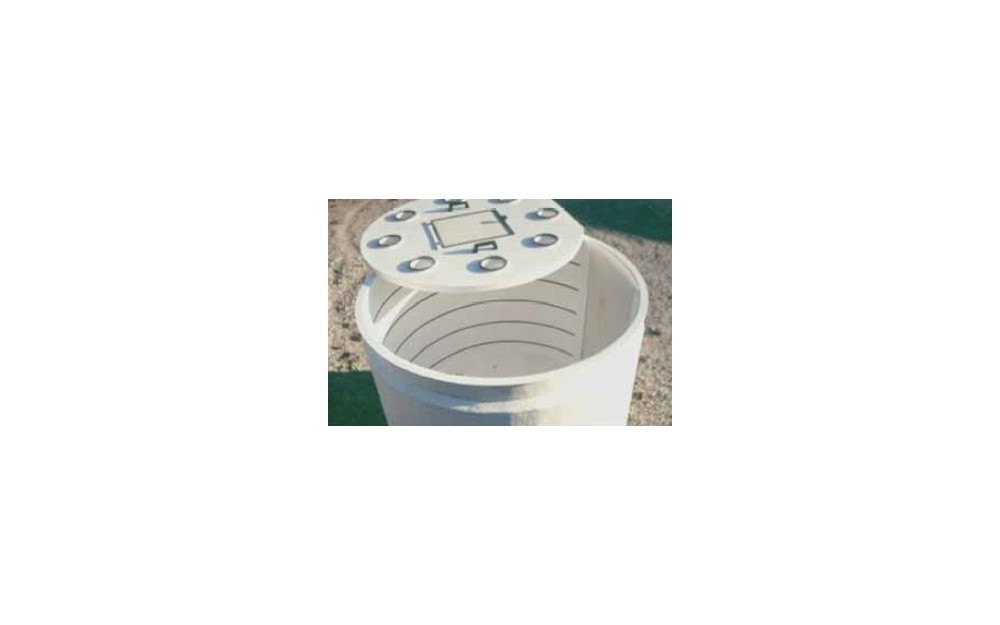
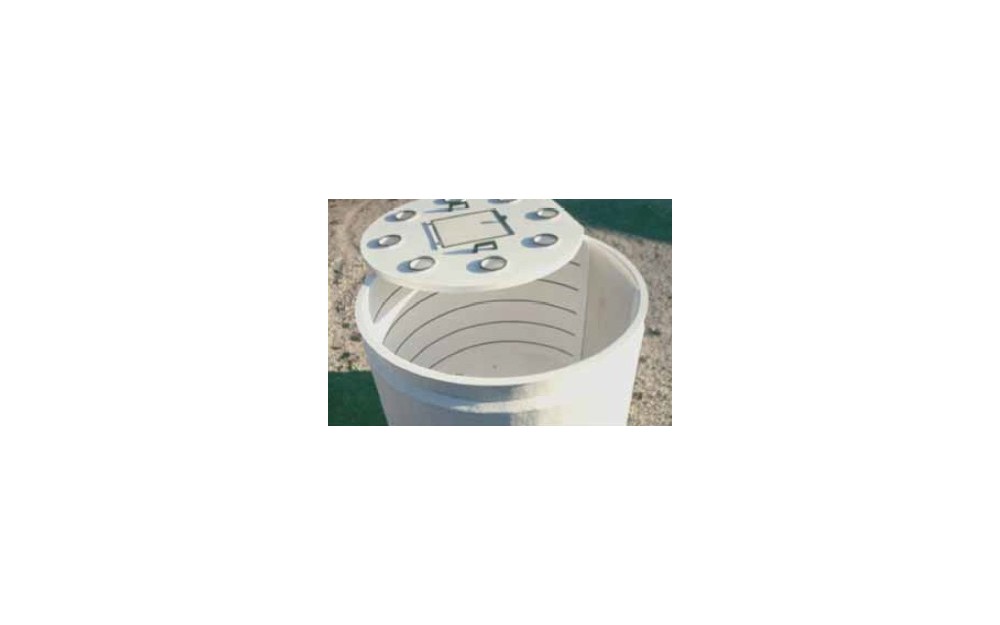
To meet different logistical requirements, Aquaculture France offers a range of cylindrical insulated tanks in three capacities.
| Nominal capacity | Internal dimensions | External dimensions |
|---|---|---|
| 700 litres | Ø 1,000 × 1,070 mm | Ø 1,154 × 1,210 mm |
| 1,450 litres | Ø 1,200 × 1,380 mm | Ø 1,354 × 1,520 mm |
| 2,320 litres | Ø 1,500 × 1,420 mm | Ø 1,654 × 1,560 mm |
This range allows different transport configurations to be considered according to volume requirements and loading constraints.
CHF Engineering for Aquaculture Projects
Designing a transport solution for aquatic animals involves more than selecting commercially available equipment.
It requires an assessment of operational needs, technical constraints and transport conditions. The study may cover:
- The species and characteristics of the animals being transported.
- Initial water conditions and target water quality.
- Journey duration and logistical constraints.
- Oxygen requirements and monitoring systems.
- Temperature control.
- Loading, unloading and cleaning procedures.
- Integration of the tank into the vehicle or transport system.
CHF specialises in technical studies and engineering for aquaculture and aquariology installations, helping develop solutions that are consistent with project requirements.
For this project, the technical study carried out by CHF is combined with an equipment solution supplied by Aquaculture France.
This complementary approach brings together technical design and the equipment required for implementation.
Aquaculture France: Specialist Equipment Supply
Aquaculture France specialises in supplying equipment for aquaculture and aquariology. Its products are designed for professionals involved in the handling, farming and transport of aquatic organisms.
The range of cylindrical insulated tanks forms part of this specialist equipment offering.
Aquaculture France supplies equipment suited to identified project requirements, drawing on CHF's technical expertise when necessary.
This organisation clearly distinguishes two complementary areas of expertise:
- CHF: Aquaculture and aquariology studies and engineering.
- Aquaculture France: Distribution of specialist equipment.
Conclusion: Treating Transport as a Complete System
Transporting live cephalopods requires careful consideration of the animals' biological characteristics and the constraints of the journey.
Cylindrical insulated tanks offer an interesting solution, particularly because of their internal geometry and thermal insulation. However, their use must form part of a comprehensive approach that considers water quality, oxygenation, temperature, loading density and handling conditions.
The project studied by CHF and associated with a tank supplied by Aquaculture France illustrates the benefits of combining engineering expertise with specialist equipment supply.
Planning to transport live aquatic animals or looking for a technical solution tailored to your operations?
CHF supports aquaculture and aquariology projects through its engineering and technical study services. Aquaculture France supplies specialist equipment to meet the needs of industry professionals.
Discover our solutions at aquaculturefrance.com and our engineering services at chf-aquaculture.com.