

Modern Aquariology
At the same time, aquarium equipment continued to evolve. Aeration systems became more efficient, the first mechanical filters were introduced, and electric heaters made it possible to keep tropical species under optimal conditions.
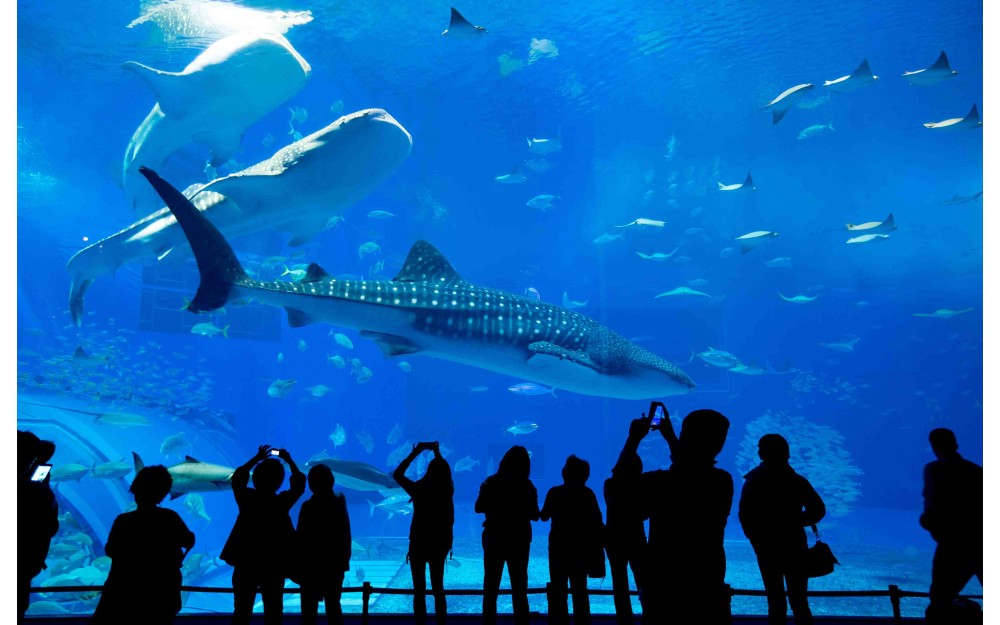
Public aquariums also expanded, serving both scientific and educational purposes. They became places where people could discover the aquatic world while helping to raise public awareness of aquatic biodiversity and the importance of conserving aquatic ecosystems.
The Post-War Boom: The Rise of Aquaristics
From the 1950s onward, aquariology experienced remarkable growth.
The widespread availability of household electricity encouraged the use of electric pumps, thermostatically controlled heaters, and more efficient lighting systems.
Manufacturers developed the first modern biological filters, while knowledge of fish biology and husbandry advanced rapidly. Aquarium clubs flourished, exhibitions became increasingly popular, and specialized magazines played a major role in promoting best practices.
The home aquarium became a popular hobby in many countries.
The 1980s: The Beginning of the Engineering Era
The 1980s and 1990s marked a profound transformation.
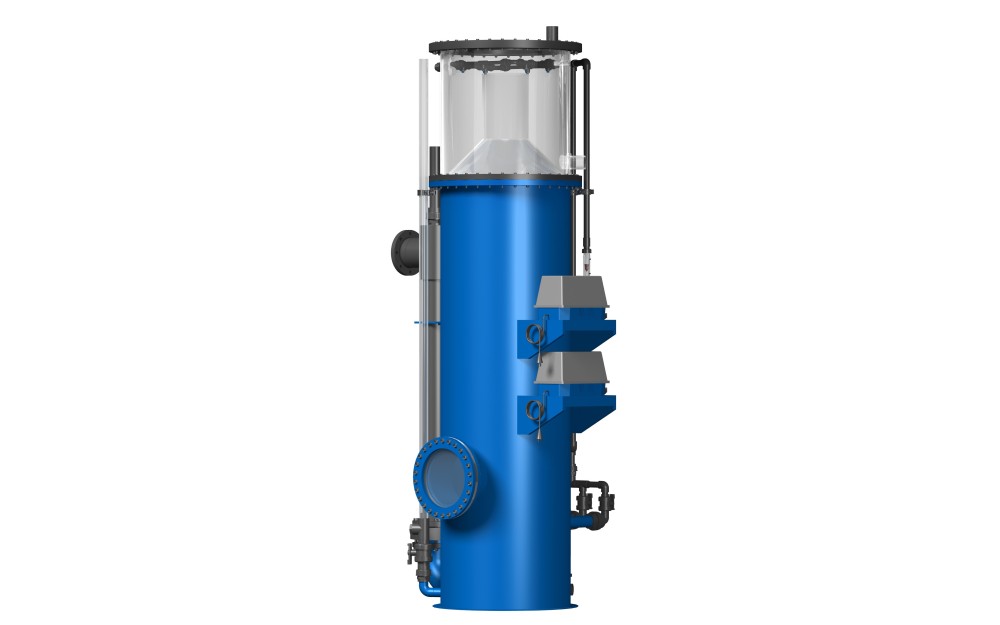
The emergence of reef aquariums introduced new technical challenges, including precise water quality control, high-performance water circulation, specialized lighting, efficient protein skimming, and chemical supplementation.
Materials also evolved. Acrylic panels gradually replaced glass for very large tanks due to their superior optical clarity and mechanical strength.
UV sterilizers, protein skimmers, automated control systems, and electronic monitoring equipment progressively became standard components of modern aquarium installations.
This evolution encouraged the emergence of new professions specializing in the design, construction, and maintenance of aquarium systems.
The Development of Large Public Aquariums
From the late 20th century onward, many countries invested in the construction of large public aquariums.
These institutions fulfill several complementary missions:
- Raising public awareness of aquatic biodiversity;
- Contributing to the conservation of endangered species;
- Conducting scientific research programs;
- Supporting veterinary research;
- Promoting environmental education.
The construction of these facilities now requires multidisciplinary teams bringing together biologists, hydraulic engineers, architects, water treatment specialists, automation engineers, veterinarians, and specialized aquarium engineering consultancies.
Aquariology thus became a true engineering discipline.
The 21st Century: Aquariology in the Age of Recirculating Systems
Today, technological advances achieved in aquaculture directly benefit aquariology through specialized engineering firms such as CHF – Aquarium Engineering Consultancy.
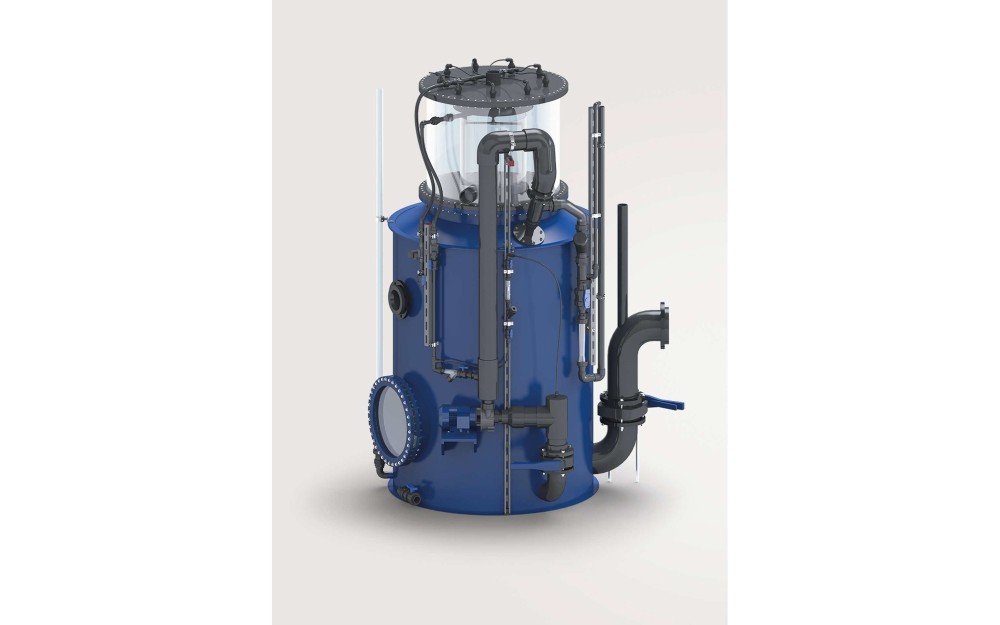
Recirculating Aquaculture Systems (RAS) minimize water consumption while maintaining consistently high water quality through successive treatment stages including mechanical filtration, biofiltration, degassing, oxygenation, ultraviolet or ozone disinfection, temperature regulation, and automated monitoring.
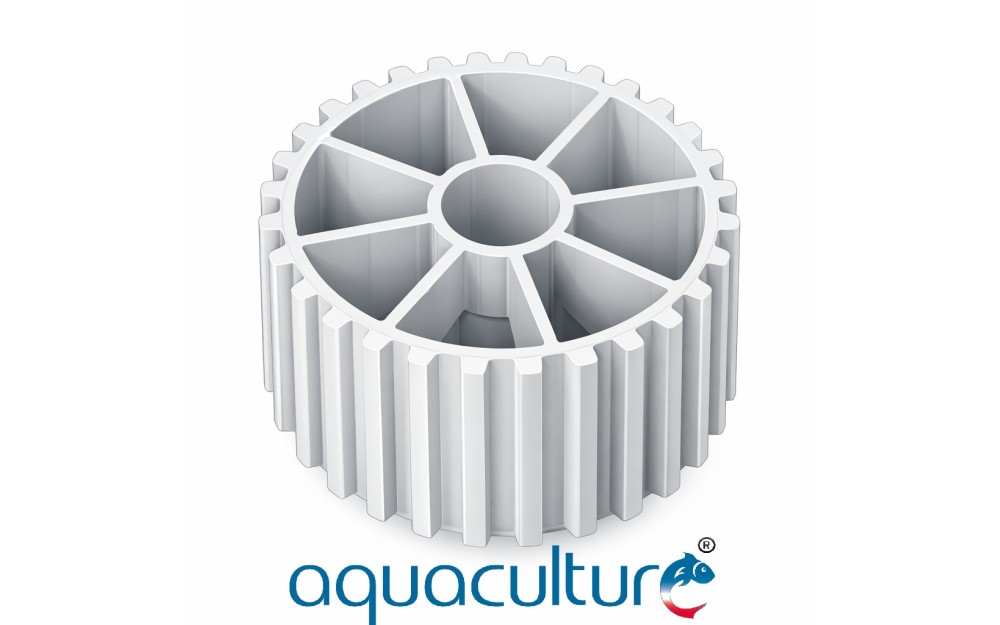
Moving Bed Biofilm Reactors (MBBR), connected sensors, programmable logic controllers (PLCs), and real-time monitoring platforms now provide unprecedented control over physicochemical water parameters.
The objective is no longer simply to keep aquatic animals alive in captivity, but to recreate a stable environment tailored to the biological requirements of each species.
A Discipline Serving Science and Biodiversity
Modern aquariology extends far beyond the scope of a recreational hobby.
It contributes to the breeding of endangered species, the maintenance of living collections, scientific research, veterinary medicine, education, and public awareness.
Technologies developed for aquariums are also widely applied in aquaculture, research laboratories, universities, zoos, museums, and industrial facilities requiring precise water quality management.
In less than two centuries, aquariology has evolved from a naturalist practice based primarily on observation into a highly advanced scientific and engineering discipline. Its development reflects progress in biology, chemistry, hydraulics, materials science, automation, and water treatment technologies.
Today, aquariology represents a fully established professional sector bringing together researchers, aquariologists, engineers, manufacturers, equipment suppliers, engineering consultancies, maintenance companies, and conservation institutions. Its continued development addresses major global challenges including biodiversity conservation, animal welfare, energy efficiency, and sustainable water resource management.
Understanding its history allows us to appreciate the remarkable progress achieved and the level of expertise now required to design, build, and operate modern aquatic facilities, whether they are home aquariums, public aquariums, or research and conservation systems.