

Biofilm Attachment in an MBBR Biofilter
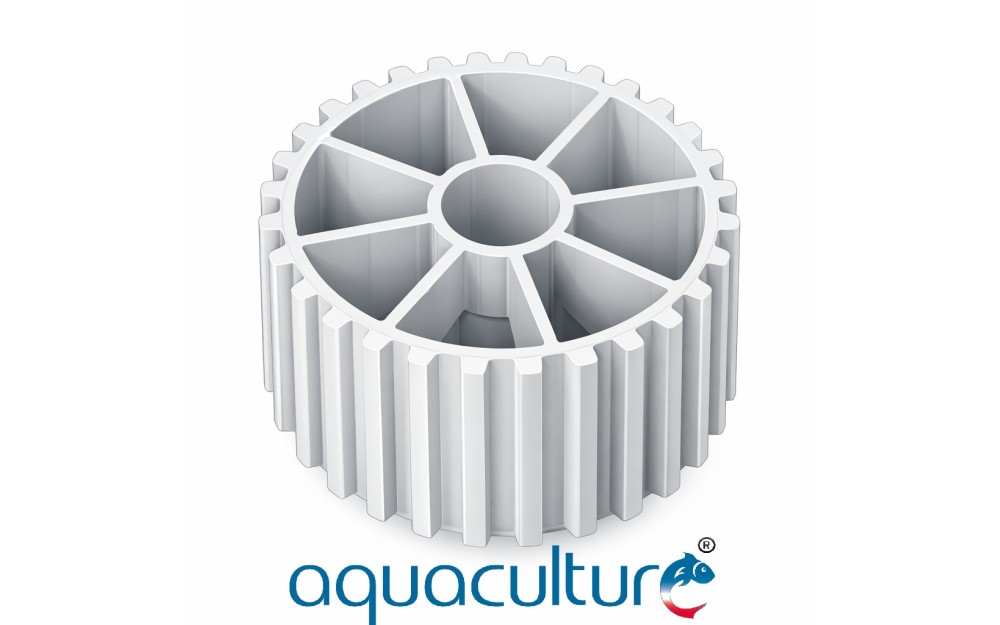
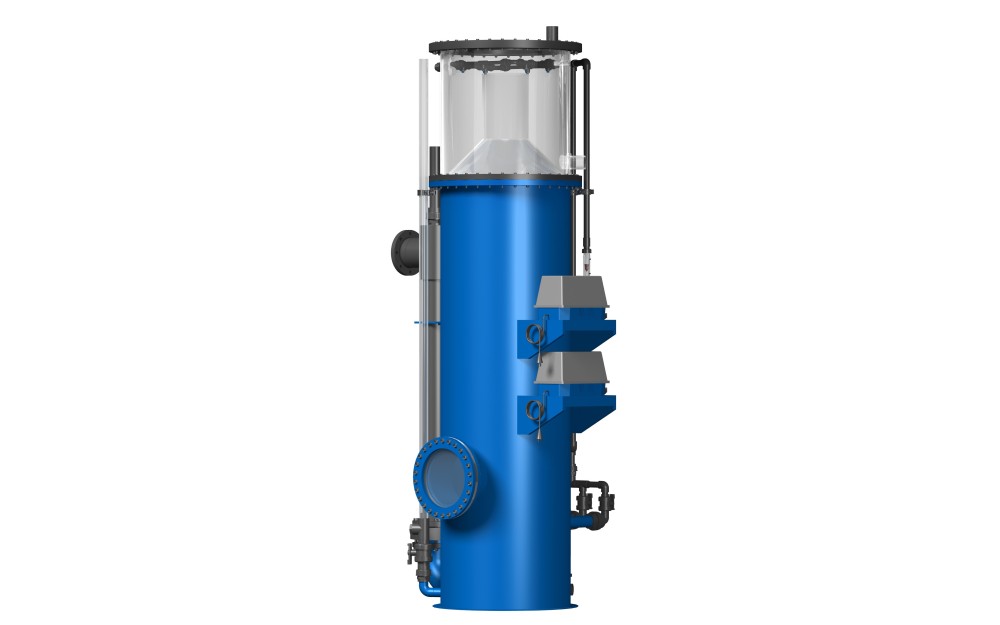
Moving Bed Biofilm Reactors (MBBRs) have become a key component of modern Recirculating Aquaculture Systems (RAS), public aquariums, hatcheries, and many industrial and municipal water treatment facilities. Their operating principle is based on the use of freely moving plastic carrier media that provide a very large protected surface area for the development of bacterial biofilms.
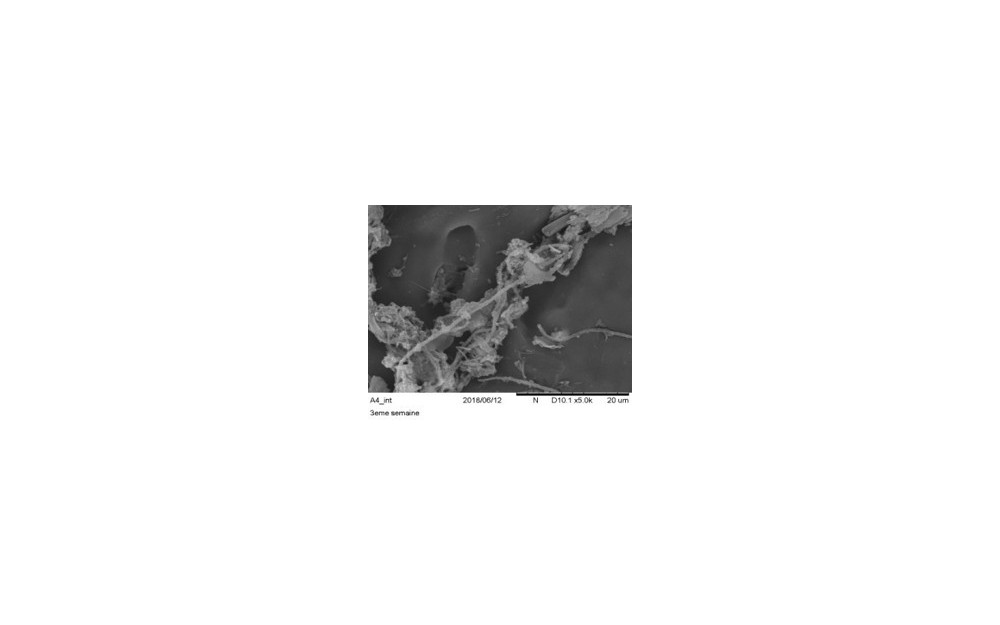
Contrary to a common misconception, it is not the biological carriers themselves that purify the water. Their sole function is to provide a suitable habitat for the growth of microorganisms. The actual biological treatment is performed by the biofilm that develops on the surface of these carriers. This complex microbial community, composed of nitrifying bacteria, protozoa and other microorganisms, converts the toxic ammonia released by fish into nitrite and subsequently into nitrate through the nitrification process.
The performance of a biofilter therefore depends on much more than the quantity of carrier media it contains. It results from a delicate balance between carrier characteristics, reactor hydrodynamics, oxygen availability, organic loading, temperature, pH and the biological interactions occurring within the biofilm.
Understanding the mechanisms that govern biofilm attachment and growth is essential for designing high-performance biofilters capable of maintaining stable water quality and meeting the requirements of modern aquaculture production systems. It also explains why two biofilters using apparently identical carrier media may exhibit significantly different treatment efficiencies.
In this first article, we will explore the mechanisms involved in biofilm formation, from the initial attachment of pioneer bacteria to the development of a mature microbial community. We will also examine the main factors influencing biological carrier colonization and discuss their practical implications for the design and sizing of MBBR biofilters.