
Open channel flow measurement consists of determining the volume of water (or another liquid) flowing through a non-full conduit, a channel, a ditch, or a natural stream. Unlike closed pressurized pipes, the flow here occurs with a free surface, influenced by slope, geometry, and hydraulic conditions.
Open channel flow measurement consists of determining the volume of water (or another liquid) flowing through a non-full conduit, a channel, a ditch, or a natural stream. Unlike closed pressurized pipes, the flow here occurs with a free surface, influenced by slope, geometry, and hydraulic conditions.
Weirs:
Calibrated obstacles (rectangular, triangular, trapezoidal, etc.) placed in the channel.
Flow is calculated from the upstream water level.
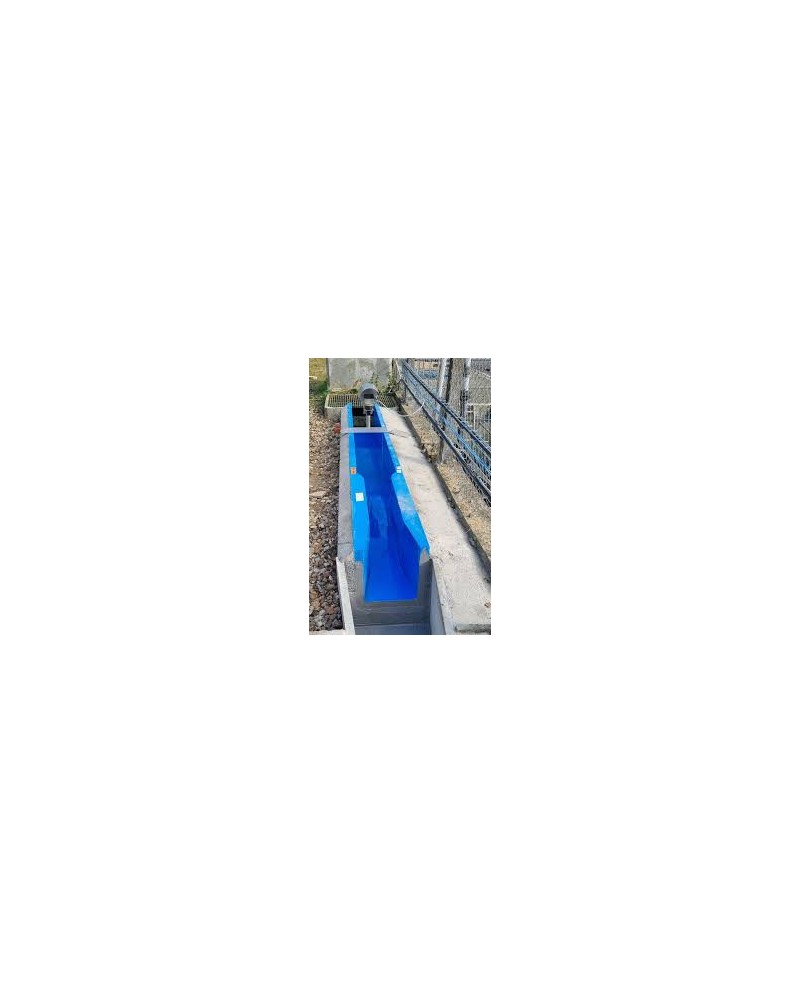
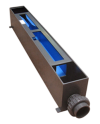
Venturi or Parshall flumes:
Calibrated narrowings that accelerate the flow.
Flow is determined based on the water level measured at one or several points in the structure.
Velocity–area methods:
Measurement of the average flow velocity (current meters, electromagnetic sensors, ultrasonic devices).
Multiplying velocity by the wetted cross-sectional area of the channel.
Suitable for rivers, irrigation canals, wastewater treatment plants, stormwater networks.
No need for a closed pipe.
Wide range of devices depending on the required accuracy.
Accuracy depends on geometry and hydraulic stability.
Sensitive to deposits, debris, or water level variations.
Often requires regular maintenance and calibration.