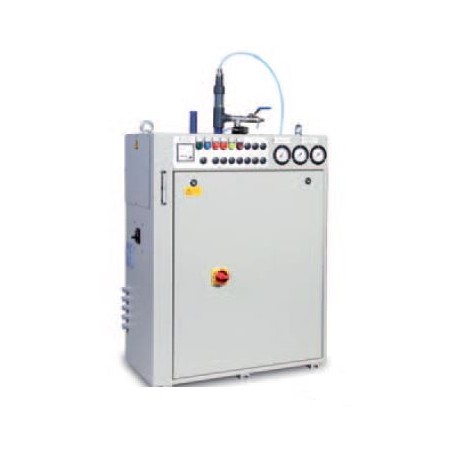


The ozone generator produces ozone (O₃) from oxygen or dry air using high-frequency corona discharge technology. Ozone is a powerful oxidizing agent widely used in aquaculture to improve water quality, reduce organic load, lower nitrite concentrations, and control many waterborne pathogens.
Particularly suited for recirculating aquaculture systems (RAS), hatcheries, public aquariums, and intensive fish farming facilities, ozone generators help maintain clear, healthy, and biologically stable water while reducing water consumption.
The ozone generator produces ozone (O₃) from oxygen or dry air using high-frequency corona discharge technology. Ozone is a powerful oxidizing agent widely used in aquaculture to improve water quality, reduce organic load, lower nitrite concentrations, and control many waterborne pathogens.
Particularly suited for recirculating aquaculture systems (RAS), hatcheries, public aquariums, and intensive fish farming facilities, ozone generators help maintain clear, healthy, and biologically stable water while reducing water consumption.
Caution: Ozone is a potentially toxic gas, and the design and use of the system must comply with applicable local regulations and safety standards.
Ozone generation systems use atmospheric air as the feed gas for ozone production and are delivered as complete units, including a skimmer-type reactor. The ozone concentration reaches 20 g O₃/Nm³.
| Models | Reference | System | Ozone | Flowate (*) | RAS | Seafood holding system | |
| Freshwater | Seawater | Max.Kg fod | max. t fish | ||||
| 1 | F0112100 | F0116100 | AZ-1 | 1 g
O3/h |
2.5m ³/h // 0.8 m³/h | 0.25 - 0.5 | 0.2 |
| 2 | F0112200 | F0116200 | AZ-2 | 5 g
O3/h |
2.5m ³/h // 3.0 m³/h | 1.25 - 2.5 | 0.8 |
| 3 | F0112300 | F0116300 | AZ-3 | 10 g
O3/h |
2.5m ³/h // 3.0 m³/h | 2.5 - 5.0 | 1.7 |
| 4 | F0112400 | F0116400 | AZ-4 | 20 g
O3/h |
6.5 m³/h // 11 m³/h | 5.0 - 10 | 3.3 |
| 5 | F0112500 | F0116500 | AZ-5 | 30 g
O3/h |
6.5 m³/h // 11 m³/h | 7.5 - 15 | 5.0 |
| 6 | F0112600 | F0116600 | AZ-6 | 60 g
O3/h |
20 m³/h // 16 m³/h |
15 - 30 |
10.0 |
| 7 | F0112700 | F0116700 | AZ-7 | 100 g
O3/h |
40 m³/h // 22 m³/h | 25 - 50 | 16.7 |
| 8 | F0112800 | F0116800 | AZ-8 | 200 g
O3/h |
50 m³/h // 63 m³/h | 50 - 100 | 33.3 |
| 9 | F0112900 | F0116900 | AZ-9 | 300 g
O3/h |
75 m³/h // 113 m³/h | 75 - 250 | 50.0 |
| 10 | F0113100 | F0117100 | AZ-10 | 500 g
O3/h |
135 m³/h // 141 m³/h | 125 - 250 | 83.3 |
|
(*) Freshwater with 1 minute retention time // seawater with 1.5 minutes retention time Data provided for informational purposes only, without commitment. |
|||||||
| Main components of ozone systems (some optional): |
|
| -ozone generator | |
| -reactor | |
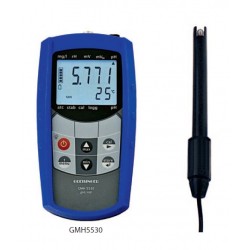
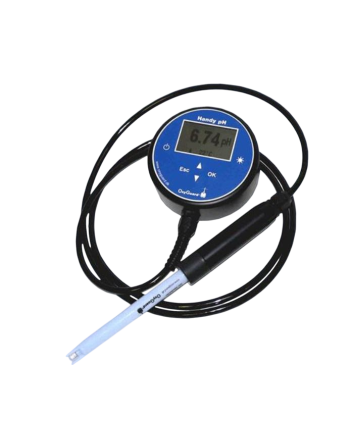
| -ORP unit control | |
| -measuring unit | |
| -measuring tube | |
| -Safety U tube | |
| -residual ozone destructor | |
| -ozone detector | |
| -air compressor | |
| -pumps | |
| -fitting | |
In fish farming systems (intensive or recirculating), the ozonizer is used to:
Disinfect water: eliminates viruses, bacteria, fungi, and parasites.
Reduce organic load: ozone oxidizes dissolved organic matter, lowering COD (Chemical Oxygen Demand).
Improve water clarity: flocculates fine suspended particles.
Enhance oxygenation: ozone breaks down into oxygen, increasing O₂ levels.
Control odors: ozone neutralizes smelly compounds.
Caution: Ozone is toxic to aquatic organisms at high concentrations. Its use requires strict controls (sensors, ozone destructors, controlled contact time).
In aquariums, especially reef or marine tanks:
Gentle water sterilization: without UV or chemicals.
Reduction of nuisance algae: removes dissolved nutrients.
Improved water aesthetics: clearer water, no yellow tint.
Boosts protein skimmer performance: promotes foam formation.
No chemical residue
Effective against a wide range of pathogens
Enhances biological and mechanical filtration
Cost of equipment and maintenance
Risk of overexposure for fish
Requires an ozone destructor system (e.g., activated carbon, catalytic burner)
Ozone generator
Injection system (diffuser, venturi)
Contact chamber or reactor
Ozone destructor
Controllers/Redox meters (to monitor ozone levels)

You might also like